Spooky season is here, and many of us will have decorated and planned our costumes for Halloween. After all, this is the holiday that lets one be whatever they want to be – a superhero or a villain, a princess or a monster, alive or dead. As years go by, especially with the increase of social media trends and their influence on modern day life, the origins of Halloween go unknown, traditions altered or forgotten altogether. The River spoke to Australian historian and expert in all things paranormal, Allen Tiller, to find out more on the history of this originally Celtic celebration.
Here for the boos: The Samhain Festival
The pagan origins of Halloween go back to Samhain – the festival that marked change, the period of great transition from harvest season to the beginning of a cold, dark and hungry winter. Samhain served as a bridge from one year to another. It was known as the night when the veil between life and death was so thin, that spirits and souls from beyond the grave could walk among the living.
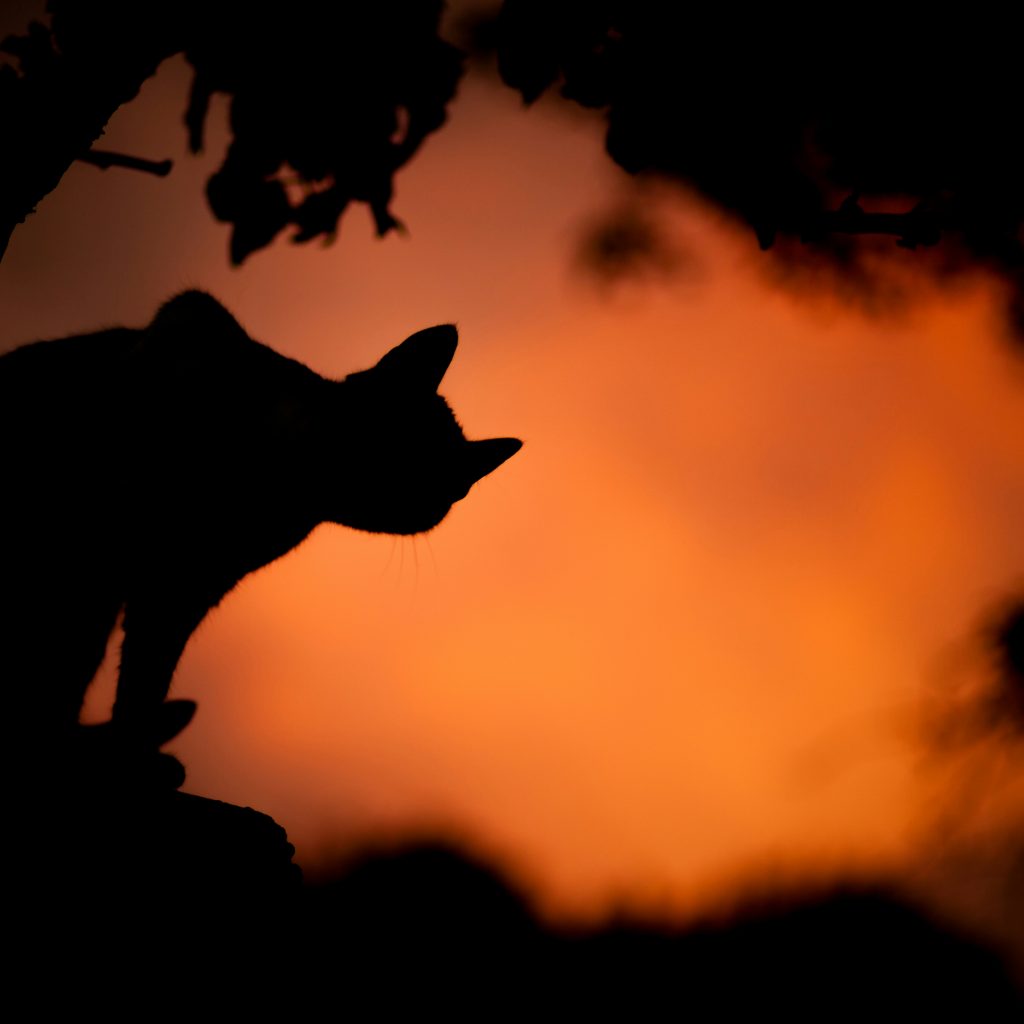
“People invited their dead relatives to come home and feast with them, and at the same time decorated their houses to ward off evil spirits. Ghastly costumes would be worn to confuse evil spirits into believing you were one of them so you would not be harmed,” Tiller explained.
Bonfires would be lit in hopes of persuading the sun not to fade completely and for purification purposes – people believed that dancing around the fires would cleanse them before entering the new year. As years went on and the Christian church started to gain influence and power in the British Isles, Samhain morphed into All Saints Day (All Hallows Day – All Hallows Eve) celebrating Christian figures and the spirits of saints.
While Halloween was originally celebrated on May 13, it was changed to November 1 by Pope Gregory the 3rd in 1730. It “became a locally observed holiday until the Irish Catholics took the tradition with them to America”, where the holiday later became popular “during the wave of Consumerism that took hold in the USA,” clarified Tiller.
A breath of fresh scare: modern day Halloween
In the early 1900s, Halloween was known as “Mischief Night”, where the main objective was to play pranks. This quickly got out of hand and people were genuinely concerned for their safety as many tricks ended in serious injuries and traumas – smashing car windows and setting buildings on fire was just the beginning. This led adults to get creative and organise costume contests, create guidebooks all in attempts to redirect children’s attention.
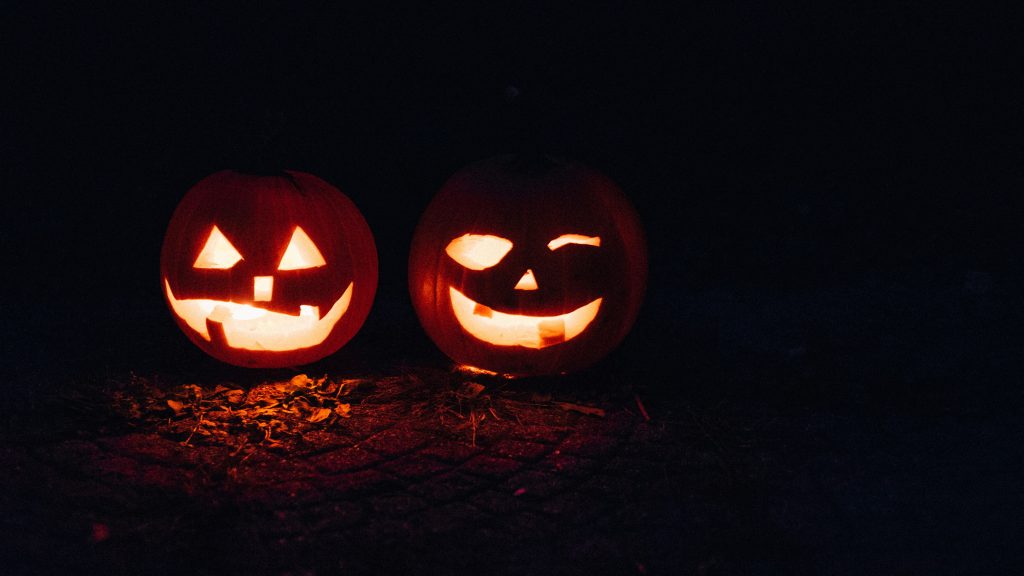
In 1939, the phrase “trick or treat” was first uttered, when children had to choose between playing a trick on the adults or receiving a sweet treat. However, the tradition “can also be equated to a Celtic ritual – offerings needed to be made to appease the dead, and if an offering of food and drink was made, the ghosts were happy. If they weren’t happy with the offering, or none was offered at all, bad luck would descend upon the house,” added Tiller.
The industry really gained attraction in 1966 when Halloween was first mentioned on television in “The Great Pumpkin, Charlie Brown’, ensuring a complete boom in popularity of the holiday. And of course, the 1978 movie “Halloween” played a big role in marketing the Halloween we celebrate today.